Top Industrial Minerals Exported from Egypt and Africa
Big factories need minerals every day. Simple truth. Cement plants. Glass makers. Ceramic factories. Fertilizer companies too. None of them can run without raw minerals moving across borders all the time. That is one big reason global buyers now work more closely with African Mineral Suppliers than before.
Egypt sits right in the middle of major trade routes. That helps a lot. Ships move faster. Orders move faster too. Buyers from Asia, Europe, and the Middle East keep looking toward Egypt and other African countries for a steady mineral supply. Bit by bit, the market grew into something huge.
This blog covers the top industrial minerals exported from Egypt and Africa, why industries need them badly, and what buyers usually check before choosing suppliers.
Why Africa’s Mineral Market Keeps Growing
Africa holds massive mineral reserves. Some areas remain untouched. That surprises many people, honestly.
Mining investment also increased across several countries. Roads improved. Ports expanded. Processing plants started growing near export zones. Those changes made trade easier for global buyers.
Egypt has one major advantage. Location. The Suez Canal gives exporters quick access to international shipping routes. That matters more than people think. Delays cost factories money. Sometimes lots of it.
Many Mineral Exporters Africa now attract buyers because they offer:
- Strong supply capacity
- Competitive prices
- Easier shipping access
Supply chain problems in recent years have pushed companies to diversify suppliers too. Many manufacturers stopped depending on one region alone. Africa stepped into that gap at the right time.

Phosphate Rock Remains a Major Export
Phosphate is everywhere in agriculture. Fertilizer companies rely on it heavily. Without phosphate, crop production takes a hit. Simple as that.
Egypt exports large amounts of phosphate rock every year. Mining regions like Abu Tartur continue to support international demand. Countries such as India, Brazil, and Turkey import phosphate materials for fertilizer production and farming industries.
Industrial buyers usually prefer suppliers with stable mineral quality. One weak shipment can create processing issues later. Nobody wants that headache.
A trusted Minerals Supplier in Egypt often provides:
- Raw phosphate
- Processed phosphate materials
- Export documentation support
Reliable paperwork matters. Customs delays can slow entire industrial operations.
Silica Sand Demand Keeps Rising
Silica sand sounds basic. It really is not. Glass factories depend on it. Solar panel production depends on it too. Even water filtration systems use high-purity silica in some applications.
Egyptian silica gained strong attention because its purity levels remain very high. Some export grades exceed 99% purity. That becomes important for manufacturers producing advanced industrial products.
Solar energy growth has also changed this market fast. Countries building renewable energy projects suddenly needed much larger silica supplies. Demand jumped almost overnight in some regions.
North African exporters now invest more money into mineral processing facilities to improve export quality and meet strict industrial standards.
Limestone Still Powers Construction Industries
Construction never really stops. Roads expand. Buildings rise. Bridges need cement. Cement needs limestone. That cycle keeps limestone exports moving steadily across Africa and Egypt.
Egypt holds large limestone reserves and active quarry operations across several regions. Ports near industrial zones make bulk exports easier for international buyers. Shipping heavy materials long distances can get expensive very quickly. Shorter transport routes help buyers cut costs.
Limestone also supports:
- Steel manufacturing
- Chemical processing
- Infrastructure projects
Funny thing is, limestone rarely gets attention outside industrial circles. Yet modern cities literally depend on it.
Feldspar Supports Ceramic Production
Ceramic factories use feldspar every single day. Tiles. Bathroom products. Glass materials. All of them need it.
Egyptian feldspar exporters gained stronger positions recently because manufacturers care more about consistency than ever before. Factories want stable material quality month after month. Not surprises.
Several African Mineral Suppliers now process minerals locally instead of exporting raw material only. That small shift changed buyer confidence quite a bit. Processed exports often mean better quality control and cleaner industrial standards.
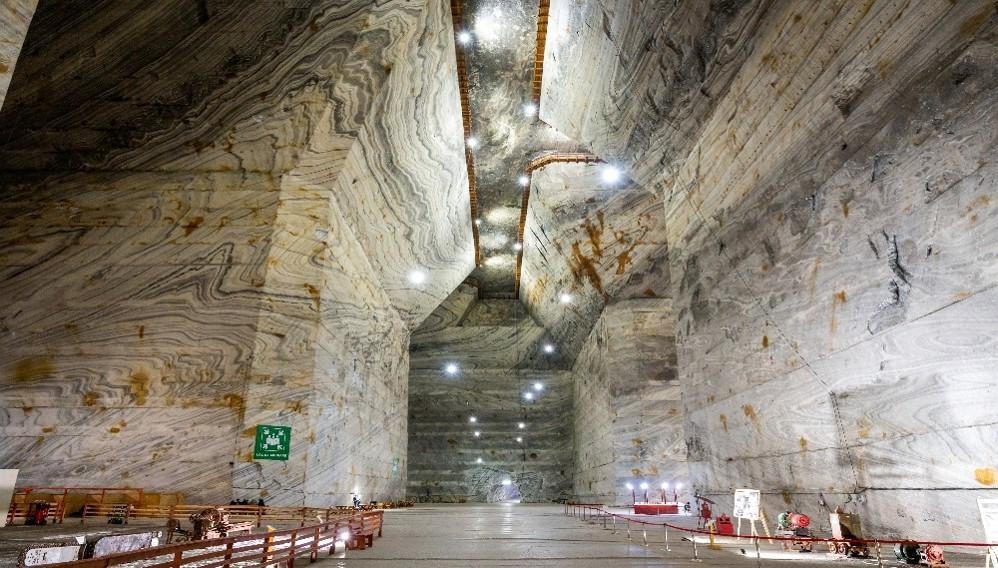
Gypsum Export Demand Keeps Climbing
Gypsum exports continue growing because construction demand keeps rising worldwide. Cement plants use gypsum regularly during production. Interior finishing industries rely on it too.
North African exporters hold one nice advantage here. Geography. European buyers can receive shipments faster compared to some distant markets.
Industrial buyers usually check:
- Product quality
- Logistics capability
- Export certifications
Reliable logistics matter just as much as pricing. Maybe more sometimes. A cheap shipment arriving late still creates expensive factory delays.
Egypt’s Growing Role in Global Mineral Trade
Egypt’s export market keeps expanding steadily. New industrial zones continue opening. Mining investment keeps moving forward too.
Global buyers now pay closer attention to supplier reliability instead of focusing only on pricing. That shift helped African exporters build stronger positions in international trade.
Demand for industrial minerals will likely remain strong across:
- Fertilizer industries
- Renewable energy projects
- Construction markets
Factories need raw materials constantly. That part is not changing anytime soon.
Conclusion
Industrial minerals quietly support modern life every day. Phosphate helps agriculture grow. Silica supports glass and solar manufacturing. Limestone strengthens roads and buildings. Feldspar and gypsum keep the ceramic and cement industries running without pause.
Egypt and several African countries continue building stronger export positions through stable supply chains, expanding infrastructure, and growing industrial expertise. Buyers searching for dependable sourcing partners increasingly turn toward experienced regional exporters for long-term mineral supply solutions.
International Traders Company continues to support global industries with trusted sourcing expertise and reliable mineral export services.
FAQs
What are the top industrial minerals exported from Egypt?
Egypt mainly exports phosphate rock, silica sand, limestone, feldspar, and gypsum.
Why are African Mineral Suppliers becoming more important?
African suppliers offer strong mineral reserves, competitive pricing, and growing export infrastructure.
Which industries use silica sand from Egypt?
Glass manufacturing, solar energy, ceramics, and filtration industries commonly use silica sand.
What makes Egypt important in mineral exports?
Egypt benefits from strategic shipping routes, industrial infrastructure, and rich mineral reserves.